

ACL Injuries in New Jersey: Signs, Treatment, and Recovery
An ACL injury is a tear or sprain of the anterior cruciate ligament, a key stabilizer of the knee that controls rotational movement and forward shin bone motion. For active adults in Northern New Jersey, a suspected ACL injury raises an immediate set of questions: what happened, what comes next, and does it mean surgery? This guide covers how ACL injuries happen, how to recognize the signs, and what non-surgical care and recovery can look like through YAVI Health's sports medicine and orthopedic approach.
What Is an ACL Injury?
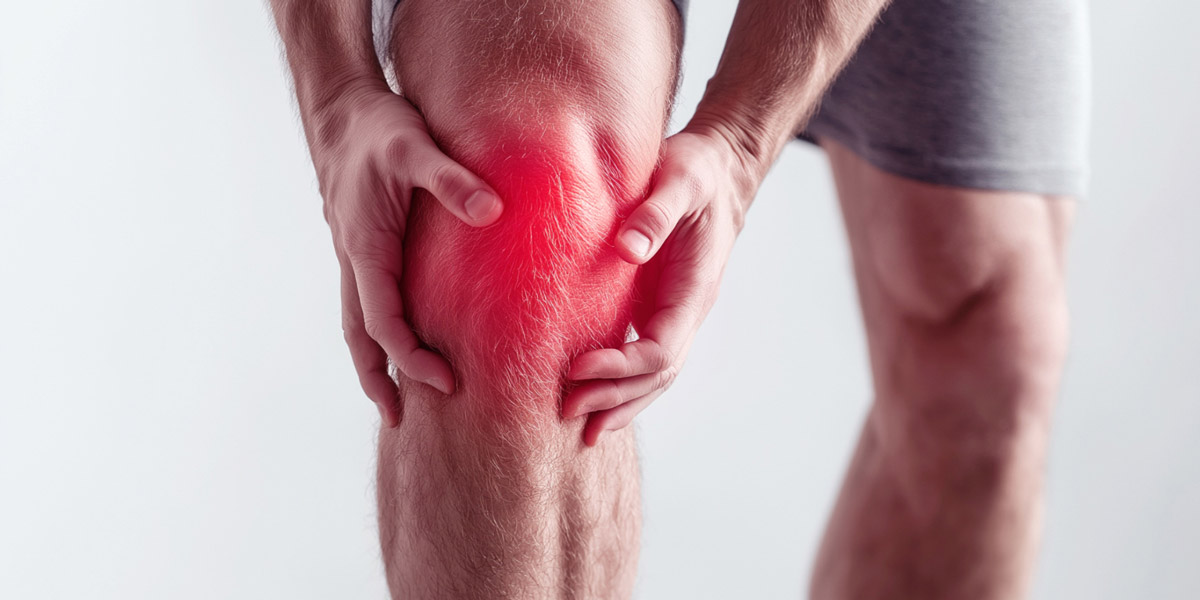
The anterior cruciate ligament, or ACL, is one of four ligaments that stabilize your knee. It sits deep in the joint and controls how your shin bone moves relative to your thigh bone, especially during pivoting, cutting, and sudden stops.
An ACL injury usually happens without contact. You plant your foot, twist, and feel the joint shift in a way it shouldn't. It's rarely an isolated event. The ACL works alongside the PCL, MCL, and meniscus, and a hard enough twist can strain more than one structure at once. That's why active adults are often diagnosed with more than one of these ligaments involved, the ACL, PCL, or MCL, not just one in isolation.
This injury isn't limited to competitive athletes anymore. Active adults are seeing it just as often, simply because more people are staying active later in life.
Common Causes in Active Adults
Most adult ACL injuries in New Jersey come from a short list of activities: recreational soccer and basketball leagues, skiing, tennis and pickleball, trail running on uneven terrain, and simple missteps during everyday movement. Regardless of how the injury happened, what shapes recovery most is getting assessed quickly by a provider who can evaluate the full picture rather than a single structure in isolation.
Signs and Symptoms of an ACL Tear
Not every knee injury is an ACL tear, but a few signs point strongly in that direction:
A distinct pop or snap at the moment of injury
Swelling that develops within the first few hours
A feeling that the knee is unstable, like it might buckle under your weight
Pain when trying to bear full weight
Reduced range of motion soon after the injury
A PCL and ACL injury can look similar on the surface, which is why a proper knee exam matters more than a symptom checklist. Two knees can swell the same amount and mean two very different things underneath.
If your knee swells significantly within a few hours, or if it feels unstable when you try to walk on it, an early evaluation gives your provider a clearer picture before the injury progresses. At YAVI Health, direct access to a specialist means you do not have to navigate referrals or long wait times to get that assessment.
Non-Surgical Treatment and Recovery Timeline
At YAVI Health, that assessment starts with a thorough exam, not a rushed one. Dr. Bhagat's sports medicine and injury management approach evaluates knee stability, the involvement of other structures, and your specific goals before recommending a path forward. In more complex presentations, such as MCL, ACL, and PCL injuries, the recovery plan must account for multiple ligaments simultaneously, which is exactly why an individualized exam matters more than a generic protocol.
Early Recovery (Weeks 1 to 4)
The first phase focuses on calming swelling, restoring range of motion, and protecting the joint. This often includes activity modification, targeted exercises, and, in some cases, ultrasound-guided injections to support the joint while it stabilizes.
Building Strength and Stability (Weeks 4 to 12)
Once swelling is controlled, the focus shifts to rebuilding strength around the knee, particularly in the quadriceps and hamstrings, which act as secondary stabilizers when the ACL is compromised.
Returning to Activity
Return to activity is guided by function, not a fixed calendar date. Some active adults with well-managed partial tears return to modified activity within a few months. Others need longer, and a smaller group ultimately needs a surgical opinion. Return decisions at YAVI Health are based on how the knee is actually functioning, including stability testing, strength benchmarks, and how well daily activity has been tolerated, rather than a fixed number of weeks on a calendar.
When Surgery May Be Needed
Non-surgical care isn't the right fit for every ACL tear, and an honest treatment assessment says so upfront. According to the American Academy of Orthopaedic Surgeons, surgical reconstruction is more often considered for complete tears involving ongoing instability, for athletes who need to return to pivoting or cutting sports, or when non-surgical treatment hasn't restored adequate function.
YAVI Health's role in this picture is non-operative sports medicine and orthopedic care. When a patient's knee needs a surgical opinion, that means a clear, direct referral to a surgical specialist, not a delay while a diagnosis gets figured out over several rushed visits with different providers. This is part of why the practice's membership-based model exists. You get one physician who follows your case from the first visit through whatever comes next, surgical or not.
Getting a Clear Plan for Your ACL Injury
New Jersey patients with a suspected ACL injury don't need to wait weeks just to get a diagnosis. What it takes is a physician who takes the time to assess the whole knee, explain the options in plain language, and stay involved through recovery.
If you're dealing with knee instability, swelling, or a suspected ACL injury in Northern New Jersey, getting in to see a specialist quickly matters. At YAVI Health, the membership model is built around direct access to a physician who can assess your knee, explain your options, and stay involved through whatever recovery looks like for you. Contact YAVI Health to take the first step toward a clear diagnosis and a plan built around your recovery.
Frequently Asked Questions
1. Can an ACL injury heal without surgery?
Many ACL injuries, particularly partial tears or tears without significant instability, can be managed successfully with structured non-surgical care. Whether this is the right path depends on the specific tear, the knee's stability, and the patient's activity goals, which is why an individual assessment matters more than a general rule.
2. How long does ACL recovery take without surgery?
Non-surgical ACL recovery timelines vary widely based on the severity of the tear and the patient's response to early treatment. Early recovery typically focuses on reducing swelling and restoring motion over the first several weeks, with strength-building and a gradual return to activity following that.
3. What are the signs of an ACL tear?
Common signs include a popping sensation at the time of injury, swelling that develops within hours, a feeling of knee instability, difficulty bearing weight, and reduced range of motion. An accurate diagnosis still requires a physical exam, since these signs can overlap with other knee injuries.
4. Do all ACL tears need surgery?
No. Some ACL tears, especially partial tears or complete tears without ongoing instability, are managed effectively with non-surgical treatment. Surgery is more commonly considered when there's persistent instability or when a patient needs to return to high-demand pivoting sports.
5. What happens if an ACL tear is left untreated?
An untreated ACL tear can lead to ongoing knee instability, which increases the risk of further injury to the meniscus or cartilage over time. Getting an early evaluation gives your provider a clearer picture before deciding on a treatment path.
Key Takeaways
An ACL tear often involves more than one knee structure, so a proper exam matters more than symptom-checking alone.
Sudden swelling, a pop, or a feeling of instability are the main signs worth getting checked quickly.
Many ACL injuries can be managed non-surgically, especially partial tears without ongoing instability.
Recovery moves in phases, calming the joint first, then rebuilding strength, then returning to activity based on function, not a fixed timeline.
Surgery isn't ruled out entirely. When it's needed, YAVI Health provides a direct referral rather than a delayed diagnosis.