
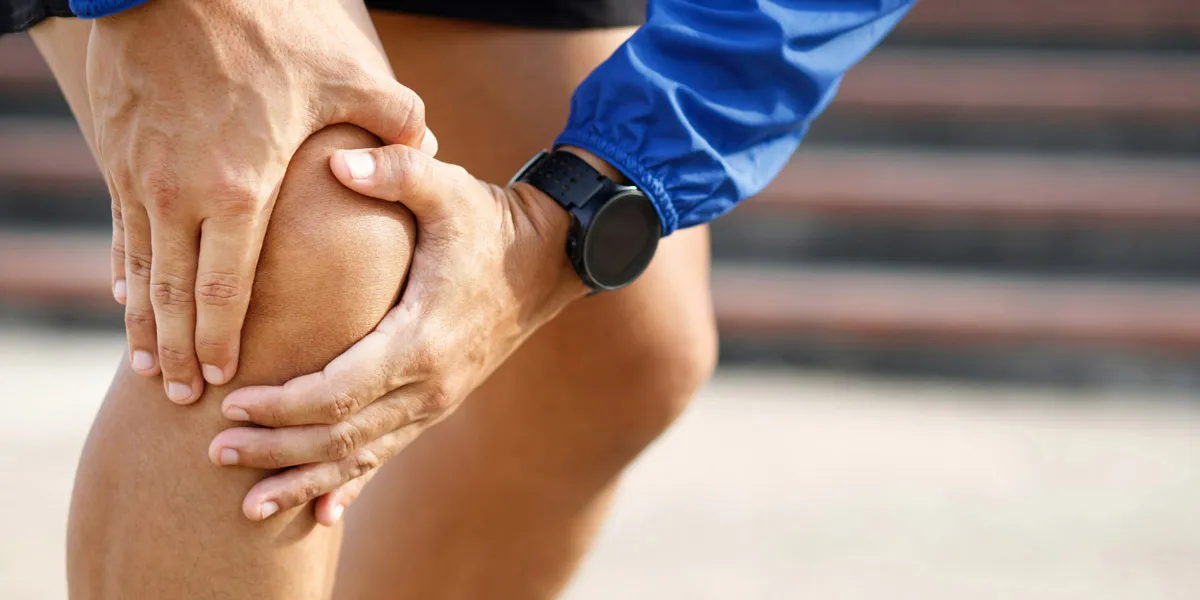
Cartilage Injuries of the Knee That Patients Should Know
Knee pain that lingers after a workout, a weekend hike, or an old sports injury is often a sign of cartilage damage, not just soreness. Cartilage injuries of the knee that New Jersey patients bring to our office are one of the most common reasons active adults seek out a specialist, and most respond well to care that doesn't involve an operating room. Here's what's actually going on in the joint, what causes it, and how it's treated without surgery.
What Is a Knee Cartilage Injury?
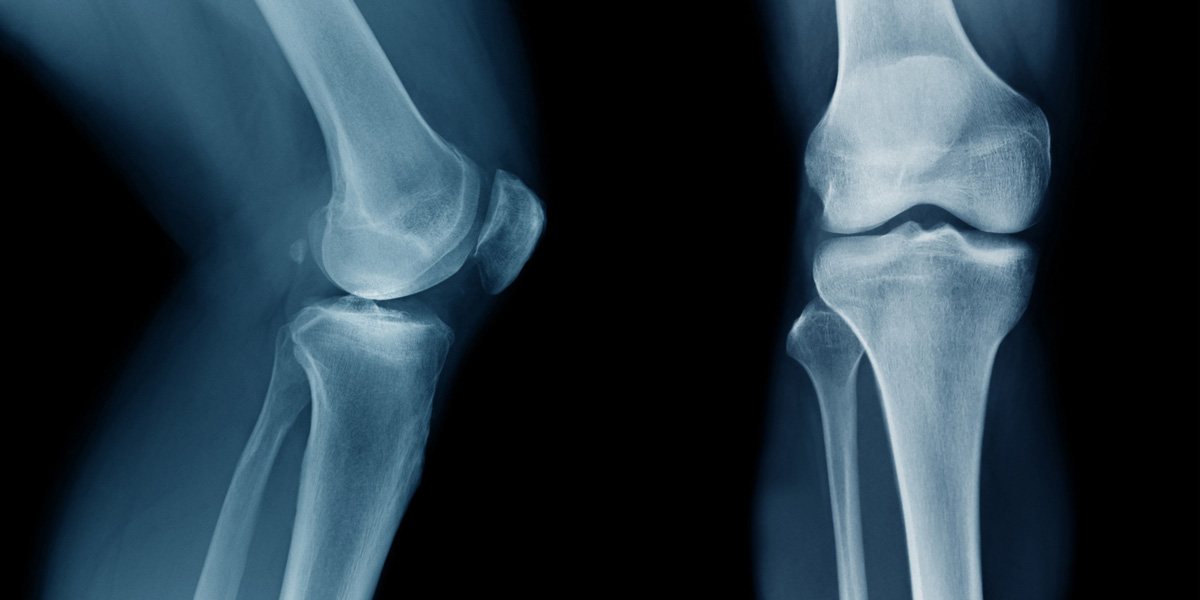
Cartilage is the smooth, slippery tissue that covers the ends of the bones in your knee, letting them glide against each other instead of grinding. When that tissue tears, thins, or wears down, the result is what's broadly called a knee cartilage injury. It can happen suddenly, from a twist or impact, or gradually, as years of repetitive motion wear down the tissue.
According to the National Institute of Arthritis and Musculoskeletal and Skin Diseases, cartilage breakdown is the underlying process behind osteoarthritis, and once that tissue is damaged, small fragments can break off and float inside the joint, causing further irritation.
Two patterns show up most often in the clinic. The first is a discrete tear, usually from a sports injury or sudden twist, similar to what causes athletic knee injuries among runners, cyclists, and weekend athletes. The second is gradual wear, in which the cartilage thins over months or years, often tied to overuse or age-related changes.
Common Causes and Symptoms of Knee Cartilage Damage
Cartilage injuries rarely come from a single cause. They usually build from a mix of activity, joint mechanics, and time. Knee injuries are among the most common sports injuries, especially in sports involving pivoting, jumping, or sudden stops.
Common sports knee injuries and everyday overuse both contribute. The specific causes generally include:
Pivoting or twisting injuries during sports or exercise
Repetitive impact from running, jumping, or stair climbing
Direct trauma, like a fall or collision
Gradual wear tied to prior injuries or joint alignment
Age-related thinning of the cartilage surface
Conditions like jumper's knee involve a related but distinct mechanism: irritation and overload at the tendon rather than the cartilage itself, which is why an accurate diagnosis matters before starting treatment. The symptoms often overlap, so it helps to know what to watch for.
Typical symptoms include:
A deep ache or sharp pain with movement
Swelling that builds after activity
A catching, locking, or grinding sensation in the joint
Stiffness after sitting for a while
Reduced range of motion
If any of this sounds familiar, it's worth getting evaluated. Left unaddressed, cartilage damage tends to progress rather than resolve on its own. Our sports medicine and injury management team sees this pattern often in active adults who kept pushing through pain instead of getting it checked early.
Non-Surgical Treatment Options for Knee Cartilage Injuries in New Jersey
Surgery is often not the first or only path forward for a knee cartilage injury. A non-operative approach focuses on reducing inflammation, supporting the joint, and giving the tissue the best environment to heal or stabilize.
Platelet-Rich Plasma (PRP) Injections
PRP uses a concentration of your own blood's healing factors, delivered directly into the joint under ultrasound guidance, to support the body's natural repair process. It's a treatment option orthopedic and sports medicine providers frequently consider for cartilage-related knee pain. It's often a good fit for patients who want to avoid surgery while supporting the joint's healing response, rather than just temporarily easing pain.
Hyaluronic Acid (Viscosupplementation)
Hyaluronic acid injections add lubrication back into the joint, which can ease the friction that causes pain and stiffness. This option is often paired with other non-surgical strategies as part of a broader plan.
Activity Modification and Physical Therapy
Adjusting how you train, adding joint-friendly cross-training, and building strength around the knee all reduce the load on damaged cartilage. The Centers for Disease Control and Prevention notes that joint-friendly physical activity, rather than rest alone, tends to improve pain and function for people managing cartilage-related joint conditions. When physical therapy is part of the plan, it's coordinated through a referral to a trusted PT partner rather than delivered in-house.
Together, these approaches form the core of non-surgical orthopedic and regenerative treatment at YAVI Health, focused on getting you back to the activities you care about without rushing to the operating room.
When to See a Specialist in New Jersey
Not every ache needs a specialist visit, but a few signs suggest it's time to get one. If you're in Northern New Jersey and managing a knee cartilage injury, it's worth paying attention to the details. Pain that doesn't ease after a week or two of rest, a knee that locks or catches, swelling that keeps returning, or pain that's changing how you move through your day are all reasons to get evaluated rather than wait it out.
Research published through the National Institutes of Health notes that cartilage injuries in the adult knee, when identified early, generally respond better to conservative management before more significant joint changes set in. That's a case for earlier evaluation, not urgency for its own sake.
At YAVI Health, Dr. Priyal Bhagat, DO, CAQSM is the knee injury specialist New Jersey residents turn to for non-surgical care. Appointments start with a direct conversation about what's actually happening in your knee, not a rushed exam squeezed into a ten-minute slot. Dr. Bhagat works with patients across our full range of orthopedic and sports medicine services to build a plan that fits an active life, all through one simple membership instead of a maze of insurance approvals.
Ready to Talk Through Your Knee Pain?
Knee pain doesn't have to keep you out of the game, and in most cases, it doesn't have to mean surgery. Book a meet-and-greet with YAVI Health to discuss your symptoms and explore a non-surgical path forward.
Frequently Asked Questions
1. Can a knee cartilage injury heal without surgery?
Many cartilage injuries can be managed with non-surgical care, including activity modification, PRP, or hyaluronic acid injections, though the right approach depends on the extent of the damage. That's why an accurate diagnosis matters before choosing a treatment path.
2. How is a knee cartilage injury diagnosed?
Diagnosis typically starts with a physical exam and a review of symptoms, often supported by imaging like an MRI to see the extent of the damage. Ultrasound can also help assess the joint directly during an evaluation.
3. What should I do after a PRP injection in my knee?
Most patients are advised to rest the joint for a day or two, avoid anti-inflammatory medications that could blunt the treatment's effect, and gradually return to normal activity as directed by their provider.
4. Can I walk after a PRP injection in my knee?
Yes, most patients can walk shortly after the injection, though it's common to feel some soreness or stiffness for a day or two. Your provider will give you specific guidance based on your treatment and activity level.
5. What should I expect after a PRP injection in my knee?
It's common to experience mild swelling or soreness in the first few days as the treatment stimulates a healing response. Improvement is often gradual over several weeks rather than immediate, and follow-up care helps track progress.